 Canada
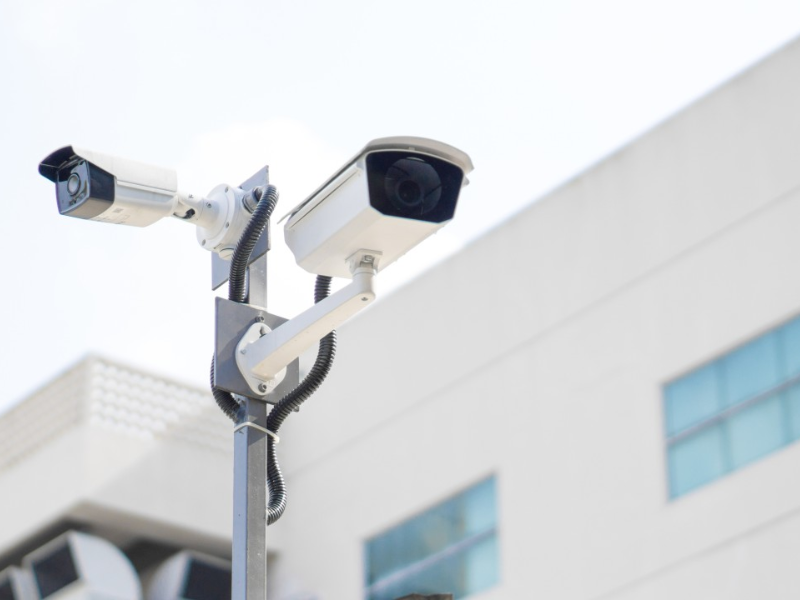
In today's world, CCTV cameras are everywhere, from retail stores and office buildings to residential properties and public spaces. They play a crucial role in enhancing security, deterring crime, and providing peace of mind. However, in Canada, the use of video surveillance isn't unrestricted. Strict privacy laws ensure that the benefits of CCTV don't come at the expense of individuals' rights to privacy.
Whether you're a business owner installing commercial security cameras in your workplace, a homeowner protecting your property, or a condo board managing common areas, understanding CCTV regulations is essential. Failing to comply can lead to complaints, investigations by privacy commissioners, fines, or even lawsuits. This comprehensive guide breaks down the key aspects of CCTV laws in Canada, focusing on privacy obligations and proper camera placement.
We'll draw from federal and provincial guidelines, including those from the Office of the Privacy Commissioner of Canada (OPC), to help you navigate these rules effectively.
Overview of Canadian Privacy Laws Governing CCTV
Canada doesn't have a single, nationwide "CCTV law," but video surveillance is regulated through privacy legislation at both federal and provincial levels.
The primary federal law for private-sector organizations is the Personal Information Protection and Electronic Documents Act (PIPEDA). PIPEDA applies to businesses engaged in commercial activities across Canada (except in provinces with substantially similar laws) and governs the collection, use, and disclosure of personal information—which includes identifiable images captured on video.
Provinces like British Columbia, Alberta, and Quebec have their own private-sector privacy laws (e.g., BC's Personal Information Protection Act or PIPA) that are considered substantially similar to PIPEDA. For public-sector entities, laws like the federal Privacy Act or provincial Freedom of Information and Protection of Privacy Acts (FIPPA/MFIPPA in Ontario) apply.
A key principle across these laws: Video surveillance must balance an organization's legitimate needs (like security) with individuals' reasonable expectations of privacy. The OPC's Guidelines for Overt Video Surveillance in the Private Sector (developed in collaboration with provincial commissioners) provide practical advice for compliance.
Simply put, CCTV is allowed when it's necessary, proportionate, and transparent—but it's not a free-for-all.
When Is CCTV Justified? Assessing Necessity and Alternatives
Before installing cameras, ask yourself: Is video surveillance truly needed?
According to OPC guidelines, organizations must demonstrate a pressing need, such as preventing theft, ensuring employee safety, or protecting assets. Random or speculative surveillance isn't acceptable.
Start by considering less invasive alternatives:
- Improved lighting
- Security guards
- Access controls
- Employee training
If these don't suffice, conduct a Privacy Impact Assessment (PIA) to evaluate risks and justify surveillance. This is especially recommended for new systems or major changes.
For example, a retail store facing repeated shoplifting might justify cameras in public areas, but constant monitoring of employee break rooms would likely be excessive unless there's evidence of misconduct.
The OPC emphasizes four key questions for justification:
- Is it necessary to address a real problem?
- Is it likely to be effective?
- Is the privacy loss proportional to the benefit?
- Is there a less intrusive alternative?
Answering "yes" to all supports proceeding; otherwise, reconsider.
Key Privacy Obligations Under Canadian Law
Once justified, CCTV systems must adhere to core privacy principles:
1. Consent and Notification
Overt surveillance (where people know they're being recorded) is preferred. Post clear, visible signs at entrances and throughout monitored areas stating:
- "Video surveillance in use"
- Purpose (e.g., "For security purposes")
- Contact for inquiries
Signs should be prominent and in both official languages where appropriate. This informs people and reduces their expectation of privacy in those areas.
Implied consent via signage is often sufficient for public areas, but explicit consent may be needed in sensitive contexts.
2. Limiting Collection and Use
Collect only what's necessary. Avoid continuous recording if motion-activated suffices. Use footage solely for the stated purpose—e.g., don't use security footage to monitor employee performance without separate justification.
3. Audio Recording: A Strict No-Go
In Canada, recording audio with CCTV is generally prohibited without explicit consent from all parties, as it violates the Criminal Code's rules on intercepting private communications. Most guidelines recommend disabling audio features entirely to avoid legal risks.
4. Storage, Retention, and Access
- Store footage securely with restricted access (only authorized personnel).
- Retain only as long as needed—typically 30-90 days for security purposes, then delete.
- Allow individuals to access footage of themselves upon request (subject to exceptions).
- Conduct regular audits to ensure compliance.
Disclosing footage (e.g., to police) is allowed if voluntary or required by law, but don't share casually.
Camera Placement Rules: Where You Can (and Can't) Install CCTV
Placement is one of the most contentious issues in CCTV regulations, as it directly impacts privacy expectations.
Prohibited Areas
Cameras must never be placed where there's a high expectation of privacy:
- Washrooms, change rooms, or locker rooms
- Private residences (without consent)
- Areas like hotel bedrooms or medical examination rooms
Even in workplaces, avoid pointing cameras at employee desks if it enables constant monitoring without cause.
Commercial and Public Spaces
In stores, offices, or parking lots:
- Focus on public areas like entrances, aisles, or cash registers.
- Avoid capturing neighboring properties excessively.
- Don't direct cameras into windows of adjacent buildings.
For condos or apartments, common areas (hallways, lobbies, garages) are generally okay, but not inside units or private balconies.
Residential Home Security Cameras
Homeowners have more flexibility on their own property:
- Monitor driveways, entrances, yards, and perimeters.
- Capturing public sidewalks or streets is usually fine if incidental.
However:
- Don't point cameras directly at neighbors' private spaces (e.g., backyards, windows)—this could lead to nuisance claims or privacy complaints.
- If a camera overlooks a neighbor's property significantly, resolve disputes amicably or adjust placement.
Some municipalities (e.g., certain Ontario cities) have bylaws restricting street-pointed cameras, so check local rules.
Best practice: Use privacy masks or adjust angles to minimize capturing beyond your property.
Special Considerations for Different Settings
Workplaces
Employers must notify employees and justify surveillance. Unionized environments may require bargaining. Avoid using CCTV for performance monitoring unless exceptional circumstances.
Condos and Multi-Unit Buildings
Boards can install in common areas for safety, but must follow privacy laws, post signs, and limit use.
Public Spaces and Law Enforcement
Police use is governed by separate OPC guidelines, emphasizing minimal intrusion and regular evaluations.
Covert Surveillance
Hidden cameras are rarely justified in the private sector—only for investigating serious breaches (e.g., theft) and as a last resort. Overt is almost always required.
Consequences of Non-Compliance
Violations can trigger:
- Complaints to the OPC or provincial commissioners
- Investigations and orders to cease or destroy footage
- Damages in civil lawsuits
- Reputational harm
In extreme cases, criminal charges if audio is involved or privacy is grossly invaded.
Best Practices for Compliant CCTV Installation
To stay on the right side of the law:
- Develop a written video surveillance policy.
- Train staff on operations and privacy.
- Use reputable providers who prioritize compliance features (e.g., encryption, limited retention).
- Review your system annually.
- Consult legal experts for complex setups.
Partnering with professional security companies familiar with Canadian regulations can simplify compliance.
Conclusion: Balancing Security and Privacy
CCTV cameras are powerful tools for safety in Canada, but they're not without limits. By prioritizing transparency, necessity, and respect for privacy, you can implement effective surveillance without running afoul of the law.
As technology evolves, with smarter cameras, facial recognition, and cloud storage—these regulations will continue to adapt. Stay informed through resources like the Office of the Privacy Commissioner of Canada.
If you're planning a CCTV installation, start with a thorough assessment and clear signage. Done right, it protects everyone involved.
For personalized advice, consult a privacy expert or your provincial privacy office. Secure your space responsibly, privacy and safety can coexist.
Ready to secure your property? Contact 1-800-466-3348 to speak with a security specialist today and get a custom quote for your CCTV installation.