 Canada

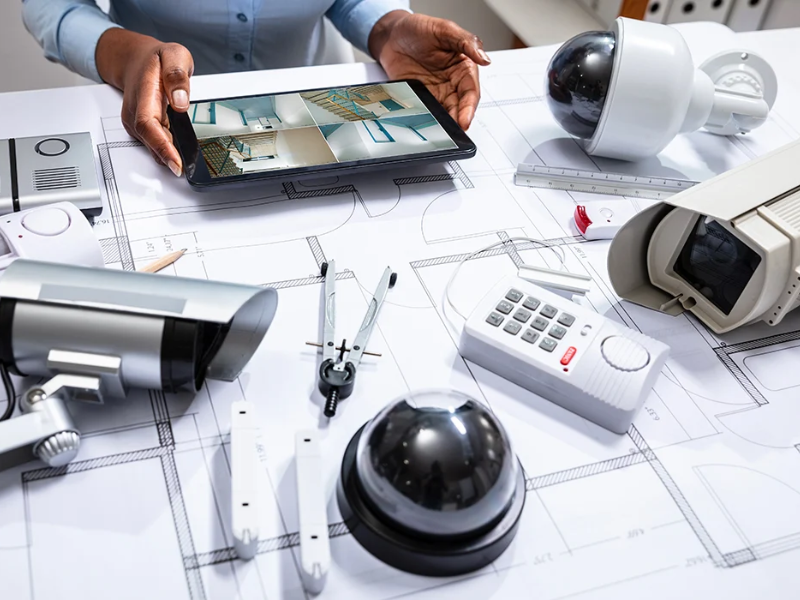
For business owners in Ontario, a commercial alarm system is more than a security measure. It is a critical requirement for insurance compliance and operational continuity. In 2026, the average cost for a professional commercial alarm installation ranges from $1,500 to $5,000 for small to mid-sized facilities, while large-scale industrial sites can exceed $15,000.
To help you budget accurately, we have broken down the hardware, labor, and recurring costs based on current Canadian market standards.
Commercial Security Installation Cost Overview
| Business Size | Square Footage | Estimated Installation Cost | Monthly Monitoring |
|---|---|---|---|
| Small Retail / Office | < 2,500 sq. ft. | $1,500 – $3,000 | $35 – $60 |
| Mid-Size Warehouse | 5,000 – 15,000 sq. ft. | $3,500 – $8,000 | $60 – $120 |
| Large Industrial / Enterprise | 20,000+ sq. ft. | $10,000 – $25,000+ | $150+ |
1. Hardware Costs: The Building Blocks of Your Defense
The hardware you choose accounts for approximately 40% to 60% of your total upfront investment. Unlike residential systems, commercial-grade equipment must be durable enough for high-traffic environments and often requires specialized sensors.
Control Panels: The "brain" of your system usually costs between $300 and $1,200. Advanced panels that integrate with access control and fire safety occupy the higher end of this range.
Intrusion Sensors: Commercial door/window contacts and motion detectors range from $30 to $150 each. Specialized glass-break detectors, essential for storefronts, average $75 per unit.
Keypads and Readers: Modern touch-screen keypads or biometric readers for staff entry cost between $200 and $600.
Environmental Sensors: To protect inventory, many businesses add flood, heat, or carbon monoxide sensors, which range from $100 to $250 each.
2. Professional Labor and Installation Fees
Professional installation is mandatory for commercial properties to ensure the system meets local building codes and insurance requirements. In the GTA, labor rates for certified security technicians typically range from $100 to $200 per hour.
Wiring Complexity: Hardwired systems are the gold standard for reliability but require more labor hours for drilling and conduit installation.
Building Type: Older heritage buildings often see a 20% to 30% increase in labor costs due to the complexity of running wires through stone or reinforced concrete.
Site Assessment: Most reputable firms include a site survey in the quote, but complex multi-site configurations may charge a flat design fee of $250 to $500.
3. Professional 24/7 Monitoring and ULC Certification
In Ontario, most commercial insurance policies require ULC-certified monitoring (CAN/ULC-S561). This ensures that the monitoring station meets strict Canadian standards for response times and signal redundancy.
Standard Monitoring: $35 – $55 per month.
ULC-Certified Monitoring: $90 – $130 per month (Essential for high-risk inventory or fire-linked systems).
Video Verification: Adding AI-enabled video verification, where operators view live footage during an alarm, typically adds $20 to $50 to your monthly fee but significantly reduces false alarm fines.
4. Maximizing Your ROI: The Business Case for Security
While the upfront cost is a consideration, a professionally installed system often pays for itself within 18 to 24 months through:
Insurance Discounts: Most major insurers offer a 10% to 20% discount on premiums for businesses with monitored ULC-certified systems.
Theft Reduction: For retail environments, security systems are proven to reduce "shrinkage" by up to 30%.
Avoiding Fines: In cities like Toronto, false alarm dispatches can cost over $150 per incident. Professional calibration virtually eliminates these unnecessary expenses.
Conclusion
Choosing a professional commercial alarm system is a strategic investment in your company's future and long-term continuity. While the total installation cost is influenced by your facility's size and specific risk profile, the value of 24/7 peace of mind and insurance compliance far outweighs the initial expenditure. In the high-stakes business environment of the GTA, cutting corners on security can lead to costly false alarm fines and unverified threats. By partnering with a certified installer, you ensure that your property is protected by a tailored, ULC-standard solution that grows with your business.
Ready to secure your property? Contact us at 1-800-466-3348 to speak with a security specialist today from United Security and get a custom quote for your home security system.