 Canada

As smart home technology becomes increasingly integrated into daily life, understanding how to secure these systems is more important than ever. From connected locks and cameras to intelligent lighting and thermostats, smart devices offer convenience and efficiency but they also introduce new safety and security considerations.
This guide provides a comprehensive overview of smart home safety, offering actionable insights for homeowners at all levels of experience.
What Is Smart Home Security?
Smart home security encompasses all measures designed to protect your home and its occupants by leveraging connected technology. Unlike traditional security systems, smart home solutions allow remote monitoring, automated responses, and real-time alerts via smartphones or other devices. Common components include:
- Smart locks and access control systems
- Security cameras and video doorbells
- Motion and entry sensors
- Alarm systems and sirens
- Environmental sensors (smoke, carbon monoxide, water leaks)
Traditional vs. Smart Security Systems
| Feature | Traditional System | Smart System |
|---|---|---|
| Monitoring | Manual / Professional | Remote, app-based |
| Alerts | Phone call or alarm | Real-time notifications |
| Automation | None | Integration with lights, locks, and devices |
| Flexibility | Fixed setup | Customizable, scalable |
Common Smart Home Risks
While smart devices improve convenience and security, they also create potential vulnerabilities if not properly managed. Understanding these risks is critical for implementing a secure system.
Cybersecurity Threats
Smart devices are part of the Internet of Things (IoT), which makes them susceptible to cyberattacks. Common threats include:
Unauthorized access: Unauthorized access is a significant risk if weak passwords or unsecured networks are used. Hackers can exploit these vulnerabilities to gain control of smart devices, potentially compromising your home's security and privacy.
Data breaches: Data breaches are another concern, as personal information stored by smart devices—such as usage patterns, camera footage, or account details—can be exposed or stolen by cybercriminals if proper safeguards aren't in place.
Malware and ransomware: Malware and ransomware attacks can also target smart home devices. Infected devices may provide attackers with access to your home network or allow them to lock you out of your own systems, sometimes demanding a ransom to restore functionality.
Physical and Operational Risks
Beyond digital threats, smart home technology can pose physical and operational risks:
Device malfunction: Device malfunctions can pose serious risks, as a failing camera, smart lock, or sensor could leave your home unprotected at critical moments. Regular checks and maintenance are essential to ensure all devices function correctly.
Power or network outages: Power or network outages are another concern, since many smart home devices rely on continuous Wi-Fi or electricity. Interruptions can create temporary security gaps, highlighting the importance of backup power solutions and offline functionality where possible.
Complexity: Complexity in smart home systems can also be an issue. Overly complicated setups may confuse users, leading to misconfigured settings or missed alerts, which can reduce the overall effectiveness of your home's security.
Best Practices for Smart Home Safety
Implementing a smart home requires more than just purchasing devices. Following best practices ensures maximum security and reliability.
Secure Your Network
Your home network is the foundation of smart home safety, as it connects and supports all your smart devices. Protecting this network starts with using a strong, unique Wi-Fi password and updating it regularly to prevent unauthorized access.
Enabling network encryption, such as WPA3, adds another layer of security, keeping your data safe from potential intruders. Additionally, setting up a separate guest network for visitors ensures that your primary smart devices remain isolated and secure.
Regular maintenance is equally important. Keeping your router firmware up to date helps patch security vulnerabilities and ensures that your network continues to operate safely and efficiently.
Device Management
Proper configuration and ongoing maintenance of smart devices are essential for minimizing security risks. One of the first steps is to change default credentials immediately after installation, as default usernames and passwords are often easy targets for hackers.
Enabling automatic updates for device firmware and apps ensures that your devices always have the latest security patches and performance improvements. It's also important to limit device permissions, granting access only to the functions that are truly necessary for operation.
Regular audits of connected devices help identify any unauthorized or unused products on your network. By keeping track of every device, you can maintain a secure, well-managed smart home environment.
Password Hygiene for Smart Homes
Proper configuration and maintenance of smart devices is key to reducing security risks. Change default credentials right after installation and enable automatic updates for firmware and apps to keep devices protected with the latest security patches.
Limit device permissions to only what's necessary and regularly audit connected devices. This helps identify any unauthorized or unused products, ensuring your smart home stays secure and well-managed.
Automation and Safety Integration
One of the most valuable features of smart homes is automation, which can enhance both convenience and security.
Smart Lighting and Motion Sensors
Automated lighting can deter intruders by simulating occupancy:
- Program your smart lights to turn on and off at varying intervals when you're away from home, creating the appearance of occupancy to deter potential intruders.
- Use motion sensors to trigger alarms, lights, or notifications in key areas such as entryways, hallways, and garages, enhancing your home's security response.
- Integrate both outdoor and indoor lighting systems to provide comprehensive coverage, ensuring that all vulnerable areas are well-lit and monitored at all times.
Security Cameras and Monitoring
Video monitoring provides real-time visibility and evidence in case of incidents:
- Place smart security cameras at all entry points, such as doors and windows, as well as in high-traffic areas inside your home, to monitor activity and deter potential intruders.
- Enable motion-triggered recording on your cameras to conserve storage space and battery life, ensuring that only relevant events are captured and saved.
- Regularly review recorded footage to stay aware of any unusual activity, and securely store backups of important recordings for future reference or evidence if needed.
Environmental and Health Safety
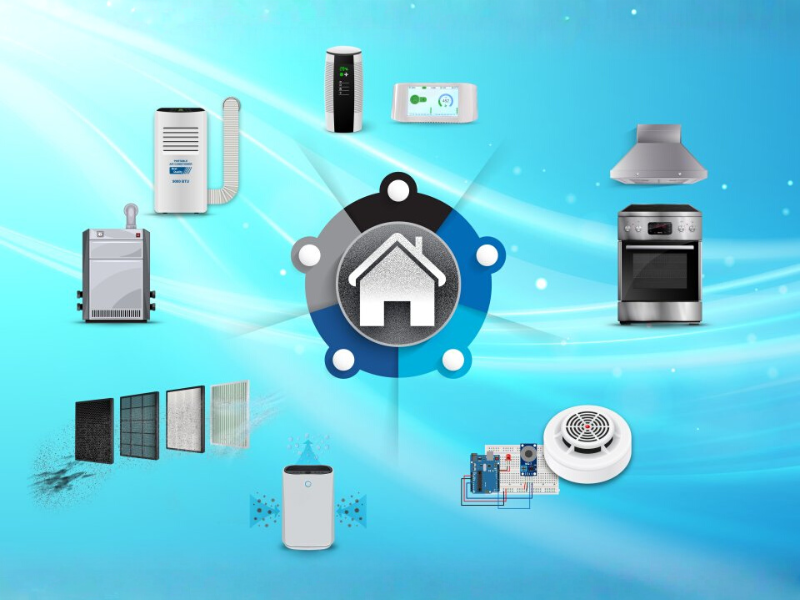
Smart home safety extends beyond burglary prevention. Environmental monitoring can protect occupants from hazards like fire, water leaks, and air quality issues.
Smoke, CO, and Water Sensors
- Install smart smoke and carbon monoxide detectors in key areas of your home, such as bedrooms, kitchens, and hallways, to ensure early detection of fire or hazardous gases.
- Integrate water leak sensors near appliances, plumbing, and basements to catch leaks early and prevent costly water damage.
- Configure all alerts to notify you immediately on your smartphone, allowing you to take prompt action no matter where you are.
Indoor Air Quality
Smart devices can monitor and optimize air quality:
- Smart sensors can detect indoor pollutants, monitor humidity levels, and track temperature changes, providing valuable data about your home's air quality.
- When integrated with automated HVAC systems or air purifiers, these sensors help maintain a healthy living environment by adjusting airflow, filtration, or temperature as needed.
- Regularly reviewing device reports allows you to identify trends or potential hazards early, enabling proactive measures to improve air quality and overall home comfort.
Maintaining Privacy
With smart devices collecting significant personal data, maintaining privacy is crucial.
- Regularly review the privacy settings on all smart home apps and devices to ensure your data is only shared as intended.
- Limit the use of cloud storage when possible, opting to store sensitive information locally to reduce exposure to potential breaches.
- Be mindful of voice assistant recordings and delete logs periodically to protect your personal conversations and data.
- For added network security, consider using a VPN, which encrypts your internet traffic and helps safeguard your smart home devices from external threats.
Privacy Awareness Tips
Always review manufacturer privacy policies to understand how your data is used. Disable any unnecessary or intrusive features, and keep track of which devices are connected to cloud services to maintain better control over your smart home privacy.
Choosing the Right Smart Devices
Not all smart devices provide the same level of security, so choosing the right products is crucial. Focus on reputable brands with strong security track records and check that devices receive regular firmware updates and ongoing support.
Consider products that integrate with multiple platforms to future-proof your smart home system. Reading independent reviews can also help identify past vulnerabilities or security issues before making a purchase.
Practical Tip
Always prioritize security over convenience. A cheaper device without strong protections can introduce significant risks to your smart home.
Responding to Incidents
Even the most secure smart home can experience incidents, so having a response plan is essential. Enable alerts for unusual activity on all devices to catch potential issues early.
Maintain backup access to locks and security systems to ensure you can still control your home if primary systems fail. Keep emergency contacts and local authorities informed whenever problems arise.
Document any incidents and regularly review system logs. This helps identify patterns or vulnerabilities, allowing you to improve your smart home safety over time.
Future-Proofing Your Smart Home
Smart home technology is evolving rapidly, and staying informed is key to maintaining safety. Regularly updating software and firmware on all devices helps protect against the latest security threats.
It's important to keep up with new security protocols and standards. For complex setups, professional security audits can identify risks that might otherwise go unnoticed.
Stay aware of IoT vulnerabilities reported by manufacturers or in the media. Taking timely action helps ensure your smart home stays secure as technology evolves.
Conclusion
Smart home safety systems represent a practical, proactive approach to residential security and risk management. Beyond conventional alarms and locks, these systems integrate multiple devices to create a unified, intelligent safety network. They provide real-time alerts, remote monitoring, hazard detection, and automated responses that significantly reduce risk and enhance peace of mind.
Ready to secure your property? Contact 1-800-466-3348 to speak with a security specialist today and get a custom quote for your CCTV installation.