 Canada
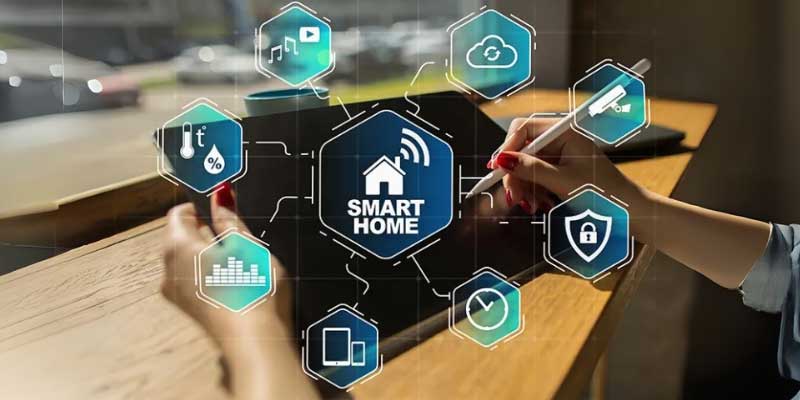
Home security matters more than ever. As crime evolves and
technology
advances, Canadian homeowners need
effective ways to protect their families and property. This guide provides the top home security tips for
2026, offering practical advice for any budget.
We will explore
smart systems that integrate into your daily
life and advanced options that deliver professional-grade protection. Whether you are a new homeowner or
looking to upgrade your current system, you will find the essential information you need right here.
Why Smart Home Security is Essential in 2026
The landscape of home security has changed dramatically. Criminals now use sophisticated methods, such as monitoring social media to learn your routines and identify when you are away. Modern security systems do much more than just deter burglars; they protect against fires, floods, medical emergencies, and even cyber attacks.
According to the Canadian Security Association homes without a security system are three times more likely to be broken into. Furthermore, a study from the University of North Carolina (UNC) found that 83% of convicted burglars said they would try to determine if a home had an alarm, and 50% would abandon the attempt if they found one.

Smart home security is the fastest-growing segment of home protection for a reason. These systems connect directly to your smartphone, sending instant alerts and allowing you to view live video feeds from anywhere. With the rise in package theft, outdoor surveillance has become critical. Advanced alarm systems now include perimeter sensors that detect threats before an intruder even reaches your door. Changing weather patterns also create new security needs, as modern systems can monitor for damage from storms, floods, and power outages, providing comprehensive protection.
Top 10 Home Security Tips for 2026
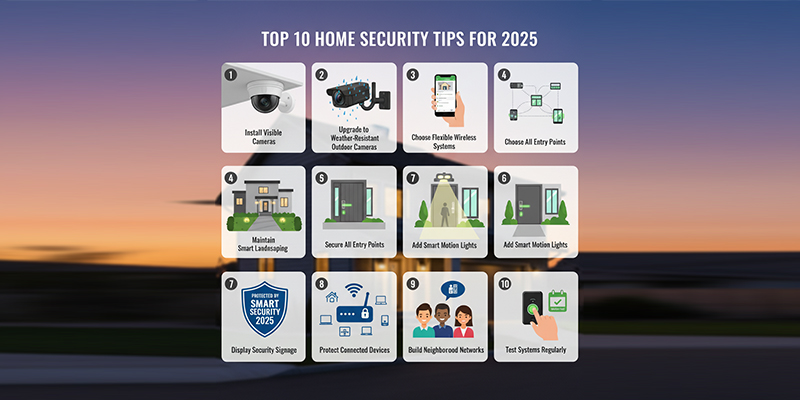
Here are ten actionable tips to enhance your home's safety and give you peace of mind.
- Install Visible Security Cameras: Security cameras are most effective when they are visible. Position cameras at main entry points, driveways, and other vulnerable areas. Their presence alone is a powerful deterrent. Focus on the front door, back door, and garage, ensuring the cameras are high enough to avoid tampering but low enough to capture clear facial images. This evidence is invaluable for law enforcement if an incident occurs.
- Upgrade to Weather-Resistant Outdoor Cameras: Outdoor cameras in Canada must withstand harsh conditions. Choose models with a minimum IP65 weather rating and clear night vision. A high-quality outdoor camera will continue to function flawlessly in rain, snow, and extreme cold, ensuring your property is monitored year-round, no matter the weather.
- Choose Flexible Wireless Systems: Wireless security cameras offer easy installation without the need for complex wiring. They connect to your home's Wi-Fi network and can be moved as your security needs change. Battery-powered models provide an extra layer of protection during power outages. Wireless systems are scalable, allowing you to start with a basic setup and add more components over time.
- Secure All Entry Points: A home is only as secure as its weakest entry point. Install high-grade deadbolts on all exterior doors and use quality locks on windows. Reinforce sliding doors with security bars or specialized locks. Don't overlook basement windows and garage doors. Consider reinforcing door frames with metal plates to make forced entry significantly more difficult.
- Add Smart Motion-Activated Lights: Darkness provides cover for intruders. Smart motion-activated lights eliminate hiding spots around your property. You can also program them to run on schedules when you're away, creating the illusion that someone is home. This simple trick can convince a potential burglar to move on to an easier target.
- Maintain Smart Landscaping: Overgrown landscaping can offer perfect hiding places for criminals. Trim bushes so they don't block windows, and keep trees pruned away from second-story access points. A well-maintained yard signals that the property is occupied and cared for, making it a less attractive target.
- Display Security Signage: Never underestimate the psychological power of a simple sign. Displaying signs and decals from your security provider creates a mental barrier for would-be intruders. Most casual criminals look for the path of least resistance and will often bypass a home that appears to be protected.
- Protect Your Connected Devices: Your smart home security system is a powerful tool, but it needs digital protection. Secure your Wi-Fi network with a strong, unique password and enable two-factor authentication on all security-related apps. Regularly update your system's software and firmware to patch any vulnerabilities. Treat your security network with the same care you would your online banking information.
- Build a Neighborhood Watch Network: A connected community is a safe community. Get to know your neighbors and establish a communication channel to report suspicious activity. Looking out for one another creates a powerful layer of collective security that extends beyond your own property lines.
- Test Your System and Mark Your Valuables: A security system is only useful if it works. Test your alarms monthly, check camera angles every few months, and replace batteries annually. For an added layer of protection, consider marking valuables with a UV pen. The invisible ink helps police identify and recover stolen property.
Comparison of Home Security Systems
| Feature | DIY System (e.g., SimpliSafe, Ring) | Professional System (e.g., ADT) | United Security Systems |
|---|---|---|---|
| Installation | Self-installed, easy setup | Professional technician required | Professional installation |
| Monitoring | Optional professional or self-monitoring | 24/7 professional monitoring required | 24/7 professional monitoring |
| Cost | Lower upfront equipment cost | Higher equipment & monitoring cost | Custom packages for any budget |
| Contracts | Typically no long-term contracts | Often requires multi-year contracts | Flexible options available |
| Best For | Renters, budget-conscious buyers | Homeowners wanting full-service protection | Canadians seeking tailored solutions |
United Security Systems: Your Partner in Home Protection
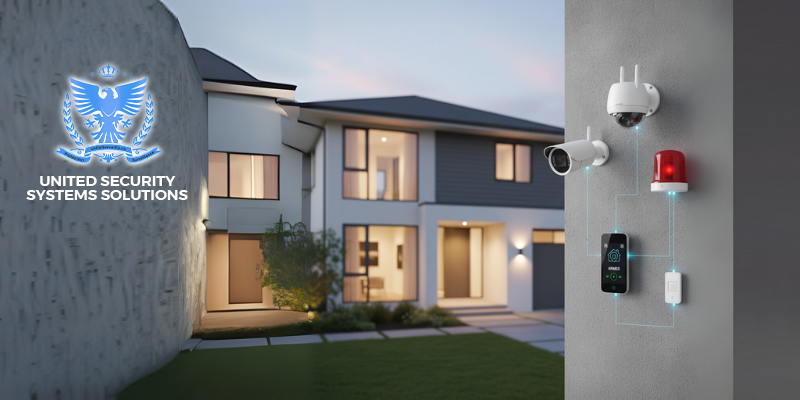
At United Security Systems, we help Canadian families find reliable, easy-to-use protection tailored to their unique homes. We offer custom security solutions for condos, townhouses, and large family homes, featuring advanced alarm systems, clear security cameras, and fully connected platforms.
Our Security Packages
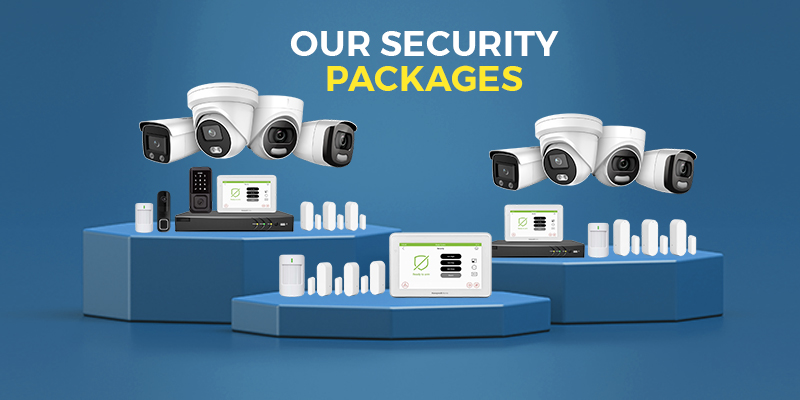
- Essentials Package: Ideal for apartments and small homes, this package includes a wireless alarm system, door and window sensors, a motion detector, and 24/7 monitoring with smartphone alerts.
- Total Protection Package: Designed for medium-sized homes, this package adds HD outdoor cameras with night vision, smart motion lighting, and a backup cellular connection for uninterrupted service.
- Smart Home Plus Package: Our most advanced option for large homes, featuring an AI-powered smart doorbell camera, environmental sensors (smoke, CO, flood), cloud video storage, and voice control integration.
All our packages include professional home monitoring services. Our trained operators are on standby 24/7 to verify threats through live camera feeds and coordinate with emergency services, ensuring a rapid response when you need it most.
Advanced Solutions for Modern Threats
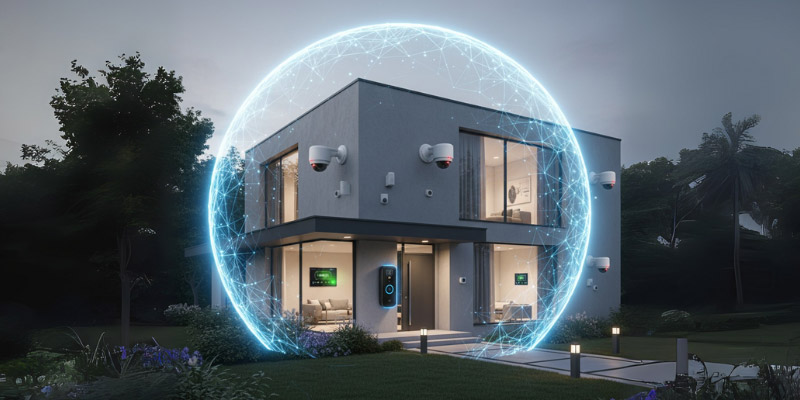
Professional-grade technology is now accessible to homeowners, offering unprecedented levels of protection.
AI-Powered Cameras: Differentiate between people, animals, and vehicles to drastically reduce false alarms.
4K Resolution & PTZ: Capture crystal-clear images and remotely control camera angles with pan-tilt-zoom functionality.
Access Control: Replace traditional keys with smartphone apps, key fobs, or biometric scanners for complete entry management.
Environmental Sensors: Go beyond break-ins with sensors that monitor for fire, carbon monoxide, and water leaks, preventing property damage and keeping your family safe.
Protect Your Home Today
Securing your home in 2026 requires a multi-layered approach that combines proven security fundamentals with modern technology. A robust system should include cameras, alarms, access controls, and professional monitoring tailored to your specific needs and budget.
Ready to secure your home? Contact United Security Systems for a free consultation today! Our experts will assess your property and design a solution that delivers optimal protection for you and your family.