 Canada

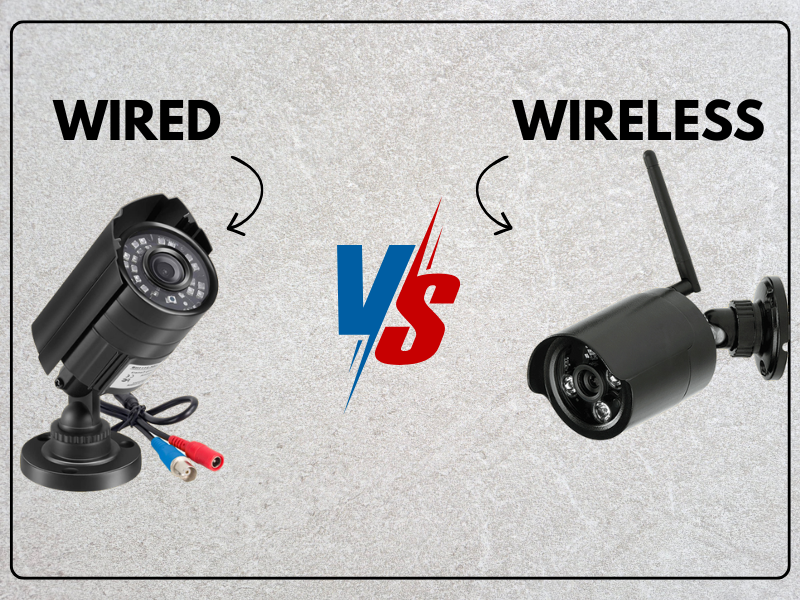
Choosing the right security camera for a Canadian property isn't just about video resolution; it is about surviving the climate. When temperatures plummet and winter storms hit, the difference between a wired and a wireless system becomes a matter of continuous protection versus a dead battery.
For Canadian homes, wired security cameras are superior for extreme cold and reliable 24/7 CCTV monitoring because they do not rely on batteries or Wi-Fi. However, wireless cameras offer easier DIY installation and flexibility for renters or areas without existing wiring.
Quick Comparison: Wired vs. Wireless Security Cameras
When evaluating systems for your home, understanding the core operational differences is critical. Here is how they stack up:
| Feature | Wired Cameras (PoE / Coaxial) | Wireless Cameras (Wi-Fi / Battery) |
|---|---|---|
| Power Source | Continuous direct power | Rechargeable Lithium-ion batteries |
| Internet Connection | Hardwired Ethernet | Wi-Fi network |
| Canadian Winter Reliability | Excellent (Unaffected by cold battery drain) | Poor to Moderate (Batteries drain fast below 0°C) |
| Security Level | High (Immune to Wi-Fi jamming) | Moderate (Vulnerable to network drops) |
| Installation | Requires professional routing | Quick DIY setup |
How Canadian Winters Impact Camera Choice
Most tech reviews evaluate cameras in controlled environments or mild climates. In Canada, the weather is an active threat to your security infrastructure.
The Lithium-Ion Battery Drain
Wireless cameras rely on lithium-ion batteries. The physics of these batteries means that the internal chemical reactions slow down drastically in freezing temperatures. During a -20°C winter in Alberta or Quebec, a wireless camera battery can lose up to 50% of its efficiency overnight, leading to sudden shutdowns and constant recharging maintenance.
Lens Heaters and Continuous Power
High-end wired systems pull continuous power directly from your home's electrical grid. This constant energy supply allows professional-grade cameras to run built-in lens heaters, melting away frost, ice, and snow accumulation. This is a crucial feature for maintaining a clear image in January that battery-powered wireless cameras simply cannot support.
(Looking for winter-ready models? Check out our primary guide on the Best Outdoor Security Cameras in Canada for 2026).
Network Reliability & Professional CCTV Monitoring
When you consult with professional alarm dealers, they will almost universally recommend wired systems for one primary reason: signal stability.
The Threat of Wi-Fi Jamming
Wireless cameras transmit their video feeds over your home Wi-Fi network. This makes them vulnerable to router reboots, bandwidth throttling when your family is streaming 4K video, and intentional Wi-Fi jamming by sophisticated intruders. If the Wi-Fi drops, your security feed drops.
Why Continuous Monitoring Requires Wires
If you are investing in legitimate 24/7 CCTV monitoring, your security team needs an unbroken feed. At United Security Systems, our monitoring protocols rely on the constant, unshakeable connection provided by Power over Ethernet (PoE) cables. A hardwired connection ensures that the moment a perimeter is breached, the live feed reaches the dispatch center instantly, without buffering or network failure.
Installation Realities: DIY vs. Professional Integration
The appeal of wireless cameras largely comes down to how easy they are to pull out of the box and stick to a wall. But convenience comes with trade-offs.
When to Choose Wireless
If you are a renter who cannot drill holes into exterior brick, or if you need to monitor a detached shed that has no electrical conduit, wireless cameras are an excellent, flexible solution. They provide immediate, basic surveillance without a construction footprint.
The Value of Professional Wiring
Running Cat6 cables through soffits, attics, and drywall requires professional installation, which involves higher upfront costs. However, a hardwired security system is a permanent infrastructure upgrade to your property. It provides zero-latency video, never requires you to climb a ladder in the snow to swap a battery, and offers enterprise-level reliability.
Verdict: Which System Should You Install in 2026?
Your choice ultimately depends on your property type and your long-term security goals.
Choose Wired If:
You live in regions with extreme, prolonged winter freezing.
You require professional 24/7 CCTV monitoring and dispatch.
You own your home and want a permanent, tamper-proof security infrastructure.
You want to record continuous video to a local NVR (Network Video Recorder).
Choose Wireless If:
You are renting your property or plan to move soon.
You have a strict initial budget and want a DIY weekend project.
You are comfortable regularly charging batteries and troubleshooting Wi-Fi connections.
Ready to secure your property? Contact 1-800-466-3348 to speak with a security specialist today from United Security and get a custom quote for your CCTV installation.