 Canada
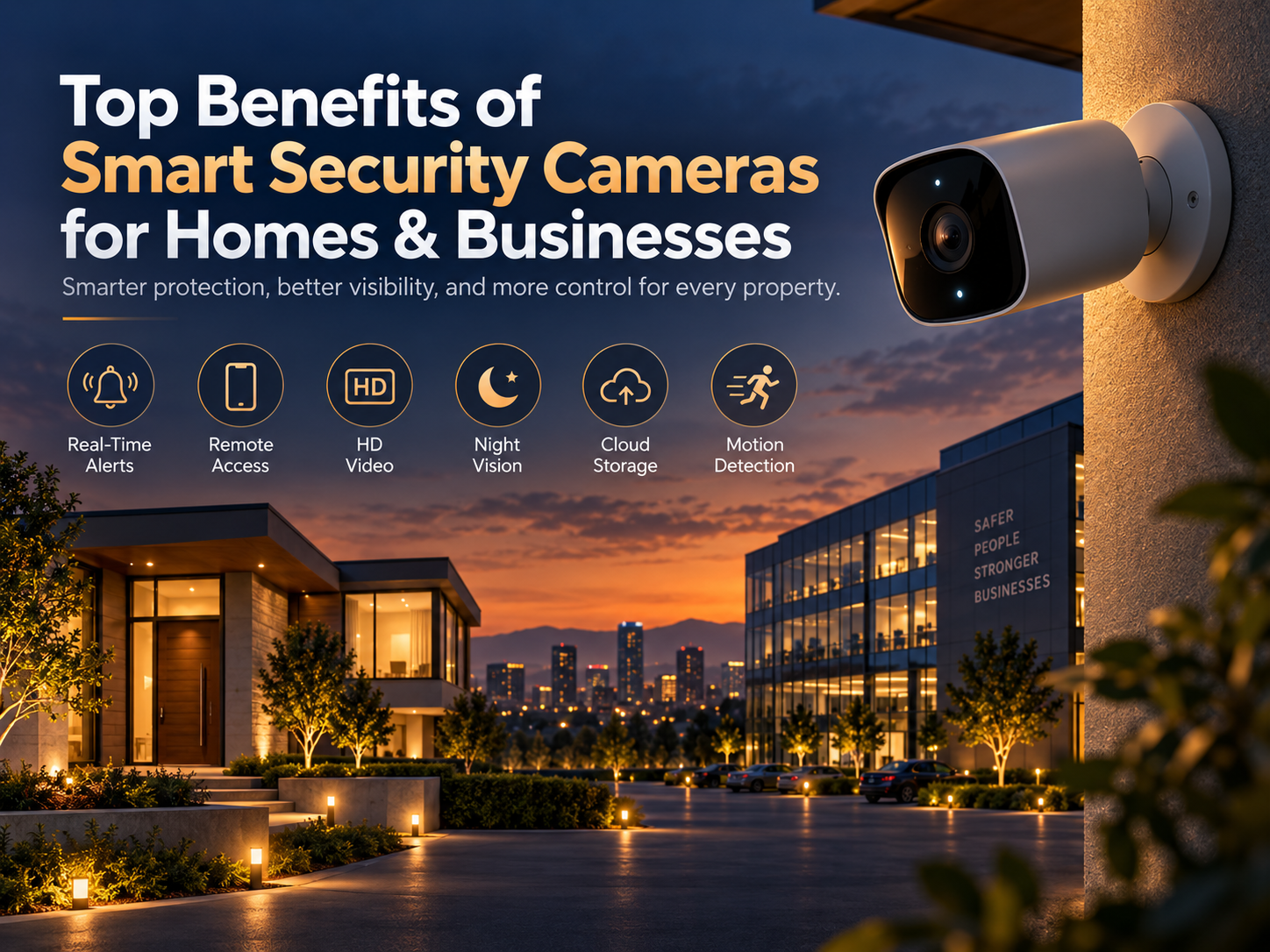
For decades, CCTV was the default choice for property surveillance. But as internet-connected technology has taken over, smart security cameras have become the preferred option for most homes and a growing number of businesses. The shift isn't just about trends — smart cameras genuinely solve problems that traditional CCTV never could.
If you're still comparing the two directly, our guide on CCTV vs. smart security cameras covers the full technical breakdown. This post focuses specifically on why smart cameras have become the better fit for most properties today.
1. Remote Access From Anywhere
The single biggest advantage of smart security cameras is remote viewing. Traditional CCTV footage typically stays tied to a local monitor or DVR, but smart cameras stream directly to a smartphone app, letting you check in on your property from anywhere with an internet connection. Whether you're at work, on vacation, or just in another room, live footage is always a tap away.
2. Real-Time Alerts Instead of After-the-Fact Footage
CCTV records continuously, but someone has to actively review the footage to catch anything unusual. Smart cameras flip that model, sending instant push notifications the moment they detect motion, a person, a vehicle, or a package. That means you find out about activity as it happens, not hours or days later.
3. AI-Powered Detection Cuts Down False Alarms
Older motion-based systems trigger alerts for almost anything — a passing car, a tree branch, a stray cat. Smart cameras use AI to distinguish between people, vehicles, and general movement, so you get notified about what actually matters. This alone makes smart systems far more practical for day-to-day monitoring than basic motion sensors ever were.
4. Easier, Often DIY-Friendly Installation
Traditional CCTV usually requires running coaxial cable to a central DVR, a job that typically calls for professional installation. Many smart cameras, by contrast, connect wirelessly to your existing Wi-Fi network, which means less cabling, faster setup, and more flexibility to reposition or add cameras later without rewiring your property.
5. Two-Way Audio for Real Interaction
Smart cameras commonly include built-in microphones and speakers, letting you speak directly through the camera. This is useful for warning off someone approaching your property, giving instructions to a delivery driver, or simply greeting a visitor at the door — something standard CCTV setups don't offer.
6. Flexible Storage Options
CCTV footage is generally locked to whatever local hard drive capacity the DVR has. Smart cameras offer more flexibility, combining local SD card storage with optional cloud backup, so footage stays accessible and searchable even if a camera is damaged or stolen.
7. Smart Integration With Other Security Systems
Smart cameras rarely operate in isolation. They can connect with smart locks, alarm systems, and access control platforms, allowing your property's security to work as one connected system rather than several separate tools. A triggered camera alert, for example, can automatically notify your alarm system or lock a door.
8. Easier to Scale and Expand
Adding a camera to a smart system is often as simple as mounting a new wireless unit and pairing it with your existing app, no need to run new cable back to a central recorder. This makes it far easier for growing businesses to expand coverage as new areas need monitoring.
9. Better Video Quality in More Conditions
Many smart cameras now offer HD or 4K resolution along with color night vision, giving you clearer footage in low light than most traditional CCTV setups. Better image quality directly translates into footage that's actually useful for identifying people or vehicles when it matters most.
Where Traditional CCTV Still Holds an Edge
To be fair, CCTV isn't obsolete — it still offers advantages in specific situations: it doesn't depend on Wi-Fi to keep recording, it's harder to disable remotely, and it remains a strong choice for large properties needing dozens of cameras running continuously. For a full breakdown of when each option makes more sense, see our guide on types of security cameras.
Final Verdict
For most homes and businesses, the benefits of smart security cameras — remote access, real-time alerts, AI detection, and easier scalability — outweigh what traditional CCTV offers. The exceptions tend to be large-scale commercial properties or environments where continuous, network-independent recording is a strict requirement.
At United Security, we help homeowners and businesses across the GTA move to smart camera systems that fit their property, combining the right mix of cameras, storage, and integration for reliable, everyday security.
Thinking about switching to smart cameras? Contact us at 1-800-466-3348 to speak with a security specialist today from United Security and get a free, no-obligation consultation.