 Canada

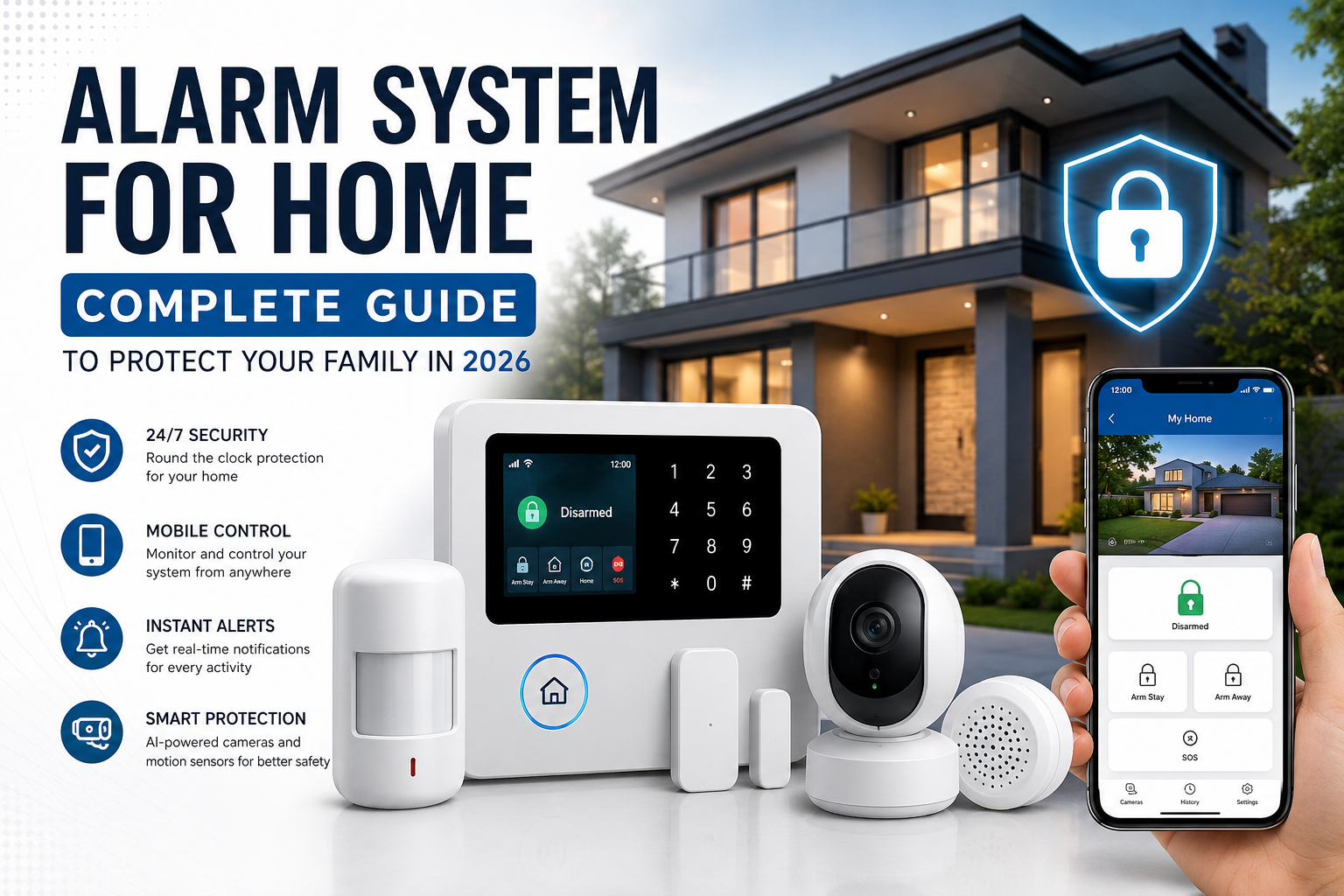
An alarm system for home security is one of the smartest investments homeowners can make in 2026. Modern security systems are no longer limited to loud sirens during break-ins. Today's systems include smart cameras, motion sensors, mobile app controls, cloud storage, and AI-powered monitoring features that provide protection around the clock.
As security technology continues to evolve, homeowners are shifting toward smarter and more reliable protection systems. Whether you live in a small apartment, condo, or large family house, the right alarm system can improve safety, increase convenience, and provide peace of mind for your entire family.
Why Home Alarm Systems Are Important
Home alarm systems help protect properties from burglaries, vandalism, and emergency situations. A visible alarm system with cameras and warning signs can discourage criminals from targeting your home because intruders usually avoid properties with active security systems.
Modern alarm systems also provide protection beyond theft prevention. Many systems now include smoke detectors, carbon monoxide sensors, flood detection, and emergency panic buttons. Instead of relying only on sirens, homeowners can now receive instant smartphone alerts whenever suspicious activity is detected.
How a Home Alarm System Works
A home alarm system connects multiple security devices into one network. These devices communicate with a central control panel that manages the entire system. When a sensor detects unusual activity, the alarm system immediately activates sirens, sends alerts, or contacts monitoring centers if professional monitoring is enabled.
Most modern systems also allow remote access through mobile applications. Homeowners can arm or disarm the system, view live camera footage, and receive emergency notifications from anywhere in the world using their smartphones.
Main Components of a Home Alarm System
| Component | Purpose |
|---|---|
| Control Panel | Manages the entire security system |
| Door Sensors | Detect door openings |
| Window Sensors | Detect window intrusion |
| Motion Detectors | Monitor indoor movement |
| Security Cameras | Record suspicious activity |
| Smart Sirens | Alert homeowners and neighbors |
| Mobile App | Remote monitoring and control |
| Backup Battery | Keeps system active during outages |
Wired Alarm Systems
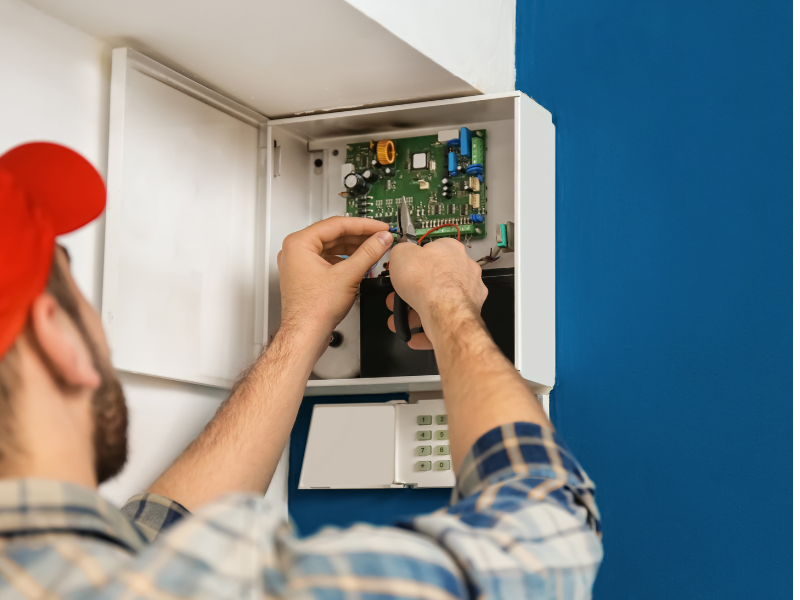
Wired alarm systems use physical cables to connect all security devices throughout the property. These systems are known for reliable performance and stable connectivity, especially in large homes where strong communication between devices is important.
However, wired systems can be expensive to install because cables must run through walls and ceilings. For this reason, they are often recommended for newly constructed homes or major renovation projects where wiring can be installed more easily.
Wireless Alarm Systems
Wireless alarm systems have become the most popular option for modern homeowners. These systems use Wi-Fi or cellular signals to connect devices, making installation faster and more convenient than wired systems.
Wireless systems are ideal for apartments, rental homes, and condos because they are portable and easy to move. Many wireless systems also support smart home integration with devices such as Alexa, Google Home, smart locks, and video doorbells.
Wired vs Wireless Alarm Systems
| Feature | Wired System | Wireless System |
|---|---|---|
| Installation | Complex | Easy |
| Flexibility | Limited | High |
| Maintenance | Low | Moderate |
| Mobility | Fixed | Portable |
| Smart Features | Limited | Advanced |
| Best For | Large Homes | Modern Homes & Apartments |
DIY vs Professional Installation
DIY alarm systems are designed for homeowners who prefer lower installation costs and simple setup. Most DIY systems include wireless sensors and easy mobile instructions that allow users to install everything themselves within a few hours.
Professional installation is better suited for larger properties or advanced security requirements. Security experts can position cameras correctly, eliminate blind spots, and optimize the entire system for maximum protection and reliability.
Smart Features in Modern Alarm Systems
Modern home alarm systems now include advanced features that traditional security systems never offered. AI-powered motion detection can identify people, pets, vehicles, and package deliveries separately, which helps reduce false alarms.
Many systems also include cloud video storage, voice control, remote access, and smart automation. Homeowners can lock doors remotely, control lighting schedules, and monitor live footage directly from their mobile devices.
Important Features to Look For
| Feature | Benefit |
|---|---|
| AI Detection | Reduces false alarms |
| Cellular Backup | Works during internet outages |
| Mobile Access | Remote control anywhere |
| Smart Integration | Connects with smart devices |
| HD Cameras | Clear video footage |
| Night Vision | Better visibility at night |
| Cloud Storage | Secure video backups |
| Two-Way Audio | Real-time communication |
Best Places to Install Sensors and Cameras
Proper placement of security equipment is extremely important for effective home protection. Door and window sensors should be installed near all major entry points, including garages, basements, and back doors.
Outdoor security cameras should monitor driveways, front entrances, side gates, and package delivery areas. Motion detectors work best in hallways and open indoor spaces where intruders are most likely to move after entering the home.
Common Mistakes Homeowners Make
One of the most common mistakes homeowners make is relying only on security cameras without installing alarms or motion sensors. Cameras can record incidents, but active alarm systems help stop intruders by sending alerts immediately and triggering loud sirens.
Another major mistake is ignoring backup systems. Without battery backup or cellular support, some alarm systems may stop functioning during internet outages or power failures. A reliable security system should continue operating even during emergencies.
Average Cost of Home Alarm Systems
| System Type | Estimated Cost |
|---|---|
| DIY Starter Kit | $200 – $500 |
| Wireless Smart System | $500 – $1,500 |
| Professional Installation | $1,500 – $5,000+ |
| Monthly Monitoring | $20 – $60/month |
Are Home Alarm Systems Worth It?
Home alarm systems are considered a valuable investment because they improve both security and convenience. Families feel safer knowing their homes are protected whether they are sleeping, traveling, or away at work.
In many cases, professionally monitored alarm systems can also reduce homeowner insurance costs. Insurance providers often offer discounts for properties equipped with advanced security systems and emergency monitoring services.
Future Trends in Home Security
The future of home security is becoming smarter and more automated every year. AI technology is expected to improve facial recognition, predictive threat detection, and intelligent monitoring systems over the next few years.
Security companies are also developing edge AI systems that process data locally instead of relying completely on cloud servers. This improves privacy, speeds up response times, and reduces internet dependency for homeowners.
Final Thoughts
Choosing the right alarm system for home security requires careful planning and understanding of your property's needs. Modern alarm systems now provide much more than burglary protection by offering smart automation, emergency alerts, and remote access features.
Whether you choose a wired system, wireless setup, or professionally monitored solution, investing in home security is a smart long-term decision. A reliable alarm system can help protect your family, valuables, and peace of mind every single day while making your home safer and smarter in 2026.
Ready to protect your home or business with a professionally installed alarm system? Contact United Security at 1-800-466-3348 to schedule a free consultation. Our certified technicians will assess your property and design the ideal security system — installed correctly from day one.