 Canada

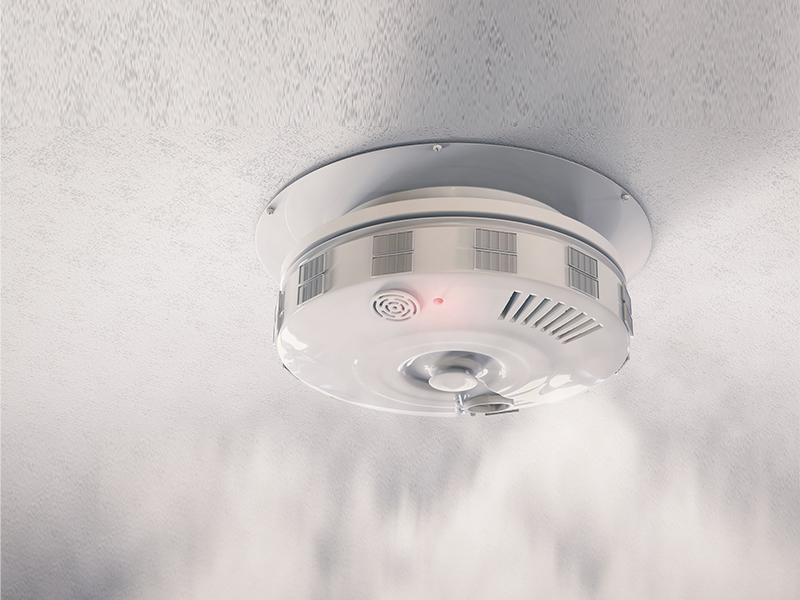
Choosing the right fire safety equipment is often the difference between a minor incident and a tragedy. While many people use the terms interchangeably, there is a significant technical and functional gap between a "smoke alarm" and a "smoke detector".
Statistically, having a working smoke alarm in your home reduces the risk of dying in a fire by 50%. However, the effectiveness of these devices depends heavily on choosing the right technology for the right environment. This guide explores everything you need to know about smoke sensor alarms, smart smoke alarms, and the essential differences that keep your family safe.
1. The Fundamental Difference: Alarm vs. Detector
The confusion usually stems from how these devices communicate a threat.
What is a Smoke Alarm?
A smoke alarm is an all-in-one safety device designed primarily for residential use.
- Standalone Operation: It contains both the sensor to identify smoke and the audible siren to alert residents.
- Ease of Use: These are typically battery-powered or hardwired directly into a home's electrical system without needing a central hub.
What is a Conventional Smoke Detector?
In contrast, a smoke detector is a component of a larger, integrated security system.
- System Integration: It does not have a built-in siren; instead, it sends a signal to a central control panel.
- Commercial Application: Because they require a central monitoring system, they are the standard for commercial buildings and large-scale apartment complexes.
2. Sensing Technology: Ionization vs. Photoelectric
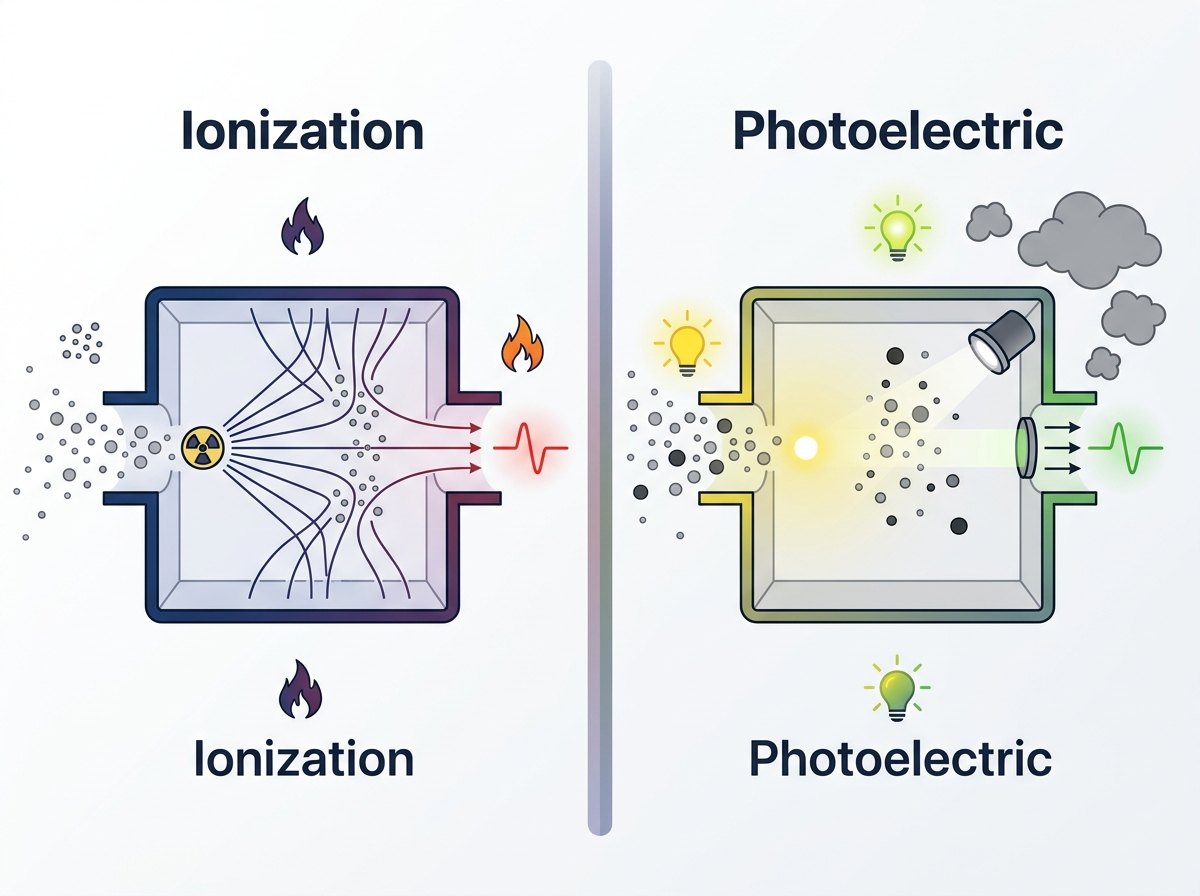
Not all fires are the same, and neither are the sensors used to detect them. To ensure maximum safety, you must understand the two primary types of detection technology.
| Technology Type | Best For... | How It Works |
|---|---|---|
| Ionization | Fast-Flaming Fires: Fires fueled by paper, wood, or grease that spread rapidly. | Uses a small amount of radioactive material to ionize air, detecting small particles produced by raging flames. |
| Photoelectric | Smoldering Fires: Fires that slow-burn for hours, producing thick, toxic smoke (e.g., upholstery or bedding). | Uses a light beam; when smoke particles scatter the light into a sensor, the alarm triggers. |
Pro Tip: For 2026, safety experts recommend dual-sensor alarms that combine both technologies to protect against every type of fire scenario.
3. The Vital Importance of Carbon Monoxide Monitoring
Smoke isn't the only "silent killer" in a home. Carbon monoxide (CO) is an odorless, colorless gas that can be fatal if undetected.
Modern homeowners are increasingly opting for a combination smoke and CO alarm. Integrating a co monitor alarm into your fire safety strategy ensures that you are protected from both fire and gas leaks from furnaces, stoves, or attached garages.
4. Why 2026 is the Year of the Smart Smoke Alarm
As home automation becomes standard, smart smoke alarms have emerged as a high-demand category. Unlike traditional units, smart alarms provide:
- Mobile Notifications: Even if you are away from home, you receive an instant alert on your smartphone if smoke is detected.
- Voice Alerts: Instead of a confusing beep, some smart units use a human voice to tell you exactly where the smoke is (e.g., "Smoke detected in the kitchen").
- Interconnected Logic: If one alarm sounds in the garage, every interconnected alarm in the house sounds simultaneously, providing vital extra seconds for evacuation.
5. Strategic Placement & Installation Guide
A high-quality smoke sensor alarm is only effective if it is placed correctly.
Where to Install:
- Bedrooms: Inside every sleeping room and outside every separate sleeping area.
- Every Level: On every story of the home, including the basement.
- Hallways: In the path of travel between bedrooms and exits.
Where to Avoid:
- Kitchens & Bathrooms: Steam from showers or cooking fumes can cause frequent false alarms.
- Near Vents: Air drafts can blow smoke away from the sensor, delaying the alarm.
6. Maintenance: Ensuring Your Alarms Actually Work
According to fire safety standards, neglect is the leading cause of alarm failure.
- Monthly Testing: Press the "test" button on every unit once a month.
- Battery Replacement: For non-smart units, replace batteries at least once a year.
- The 10-Year Rule: All smoke alarms, regardless of the brand, must be replaced every 10 years as the sensors degrade over time.
7. Professional Smoke Detector Installation
While many battery-operated units are DIY-friendly, hardwired and interconnected systems often require a fire alarm system technician. Professional smoke detector installation ensures that your system complies with local Canadian building codes and that your interconnected alarms are communicating correctly.
Conclusion: Don't Compromise on Safety
While conventional detectors serve their purpose in massive commercial structures, a network of interconnected smart smoke alarms is the gold standard for residential protection in 2026. By choosing a device that combines photoelectric sensing with carbon monoxide monitoring, you are creating a comprehensive safety net for your family.
Ready to upgrade your home's safety? Contact United Security at 1-800-466-3348 for a comprehensive fire safety audit and ensure your smoke sensor alarms are positioned for maximum protection.