 Canada

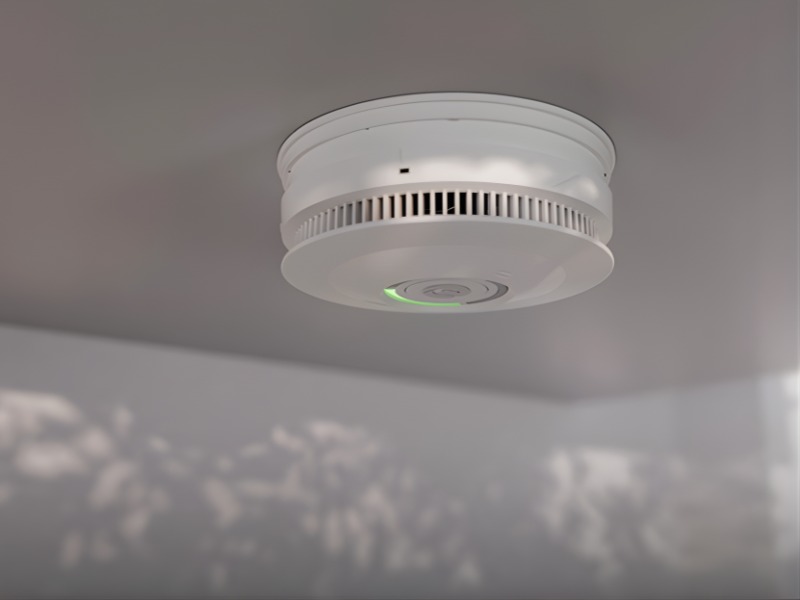
When it comes to your family's safety, "good enough" isn't an option. In 2026, smoke detector technology has shifted from simple beeping boxes to sophisticated life-safety hubs. With the recent updates to the Ontario Fire Code (CAN/ULC-S536-19) taking full effect this year, choosing a compliant and reliable alarm is more critical than ever.
We've analyzed the top performers for the Canadian market, focusing on ULC certification, sensor reliability, and smart integration. Here are the best smoke detectors in Canada for 2026.
Top 5 Smoke Detectors for 2026: At a Glance
| Model | Best For | Sensor Type | Power Source |
|---|---|---|---|
| First Alert SM300-AC | Best Overall | Dual (Photo + Ion) | Hardwired + Battery |
| Google Nest Protect | Best Smart Features | Split-Spectrum | Battery or Wired |
| Kidde Detect 10-Year | Best Battery Life | Photoelectric | 10-Year Sealed |
| First Alert SC5 | Best Combo (Smoke/CO) | Photo + Electrochemical | Hardwired |
| X-Sense XS01-WT | Best Budget Smart | Photoelectric | Wi-Fi / Battery |
1. Best Overall: First Alert SM300-AC
The First Alert SM300-AC remains the gold standard for Canadian homeowners in 2026. Why? It features dual-sensor technology. Ionization sensors catch fast-flaming fires, while photoelectric sensors detect slow, smoldering fires. Having both in one unit significantly reduces false alarms from cooking or shower steam.
It's fully hardwired with a battery backup, ensuring it works even during those winter power outages.
2. Best Smart Alarm: Google Nest Protect (2nd Gen)
Even in 2026, the Nest Protect holds its lead in the smart category. It doesn't just beep — it speaks. A friendly voice tells you where the smoke is and what the danger is (Smoke vs. CO).
- Self-Testing: It performs self-tests 400 times a day. If you have a vacation home or travel often, the mobile alerts are a literal lifesaver.
- Integration: Seamlessly connects with Google Home and most Canadian insurance provider apps for potential premium discounts.
3. Best "Set and Forget": Kidde Detect 10-Year Sealed Battery
If you hate the "chirp" of a dying 9V battery at 3 AM, this is your winner. The Kidde 30CUA10-V uses a sealed lithium battery that lasts for the entire 10-year lifespan of the device. It meets the new 2026 Canadian standards for residential rentals where "tamper-resistant" alarms are increasingly required.
4. Best for Comprehensive Safety: First Alert SC5 (Smoke & CO)
In Canada, Carbon Monoxide (CO) detection is legally required in any home with a fuel-burning appliance or attached garage. The First Alert SC5 combines high-end smoke detection with an electrochemical CO sensor.
Interconnect Ready: If one alarm goes off, they all go off. This is a must-have for multi-story Canadian homes.
5. Best Value Smart Option: X-Sense XS01-WT
For those who want Wi-Fi alerts without the premium price tag of Nest, the X-Sense XS01-WT is the 2026 breakout star. It's compact, easy to install, and sends instant notifications to your smartphone.
Buying Guide: What to Look for in 2026
1. ULC Certification
Never buy a smoke detector from an unverified overseas seller. In Canada, look for the ULC (Underwriters Laboratories of Canada) mark. This ensures the device meets national safety standards.
2. Photoelectric vs. Ionization
- Photoelectric: Best for smoldering fires (common in living rooms/bedrooms).
- Ionization: Best for fast flames (common in kitchens/garages).
Expert Tip: For 2026, we recommend Dual-Sensor or Photoelectric as the primary choice to minimize "nuisance" alarms.
3. The 2026 Ontario Fire Code Update
As of January 1, 2026, new regulations (CAN/ULC-S536-19) require more rigorous testing and documentation for fire systems. If you are a landlord or business owner, ensure your devices are professional-grade and support standardized inspection logging.
Final Verdict
For the average Canadian home, the First Alert SM300-AC offers the best balance of safety and reliability. However, if you want a fully connected smart home, the Google Nest Protect is well worth the investment for the peace of mind it provides via your smartphone.
Ready to upgrade your home's safety? Contact United Security at 1-800-466-3348 for a comprehensive fire safety audit and ensure your smoke sensor alarms are positioned for maximum protection.